Article Recent Florida Building Code changes and what they mean for buyers.
Florida's building code does not stand still. As construction methods, engineering standards, energy requirements, products and lessons from severe weather evolve, the Florida Building Code is periodically updated. For someone building or buying a new home, that can create a reasonable question: what do the latest code changes actually mean for my house? The answer starts with something many buyers do not realize. A newer code exists, but that does not automatically mean every home currently under construction was permitted under it.
Updated September 2026
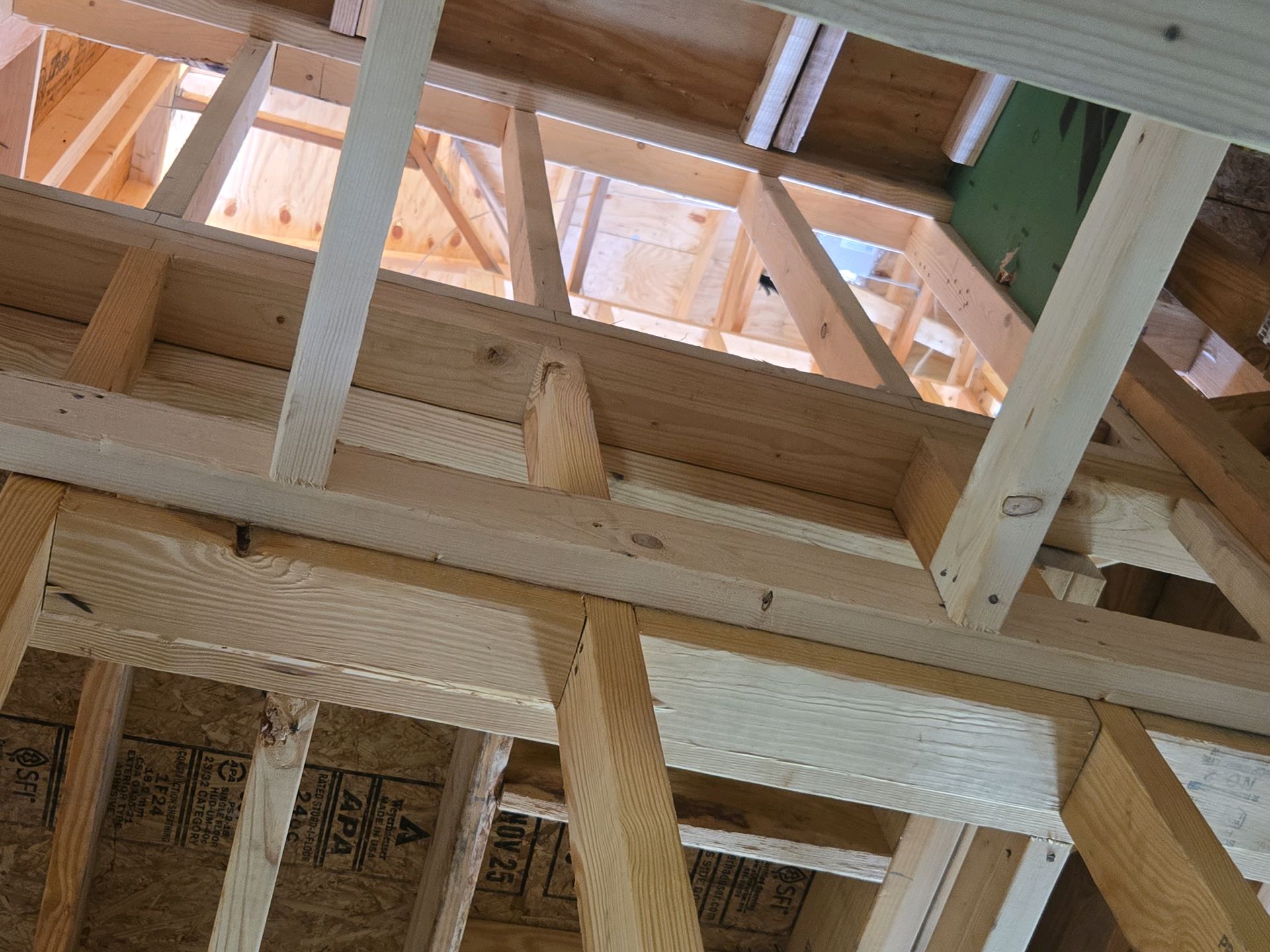
Florida is currently between code cycles
As of September 2026, Florida is operating under the 8th Edition (2023) Florida Building Code, which became effective December 31, 2023. The state is already developing its next update, the 9th Edition (2026) Florida Building Code. That edition is currently scheduled to become effective December 31, 2026.
Florida updates its building code on a recurring cycle, incorporating updated model codes along with Florida-specific amendments and requirements. So when you hear that "the Florida Building Code changed," the first question should not necessarily be "Does my house meet the newest code?" A better first question is "Which code applies to my permitted construction?"
The permit date matters
Building codes do not generally work like software updates, where every existing home instantly becomes subject to the newest version. The applicable requirements depend on factors including when the project was permitted and the code in effect for that construction.
That distinction becomes particularly important around a code transition. Two homes may be under construction at the same time in neighboring communities and still have been permitted under different applicable requirements. For the buyer, that means the year printed on the code book is not enough to determine what applies to a particular home. The permit and approved construction documents provide important context.
What changed with the current code?
The 8th Edition represents more than a change to the year printed on the cover. Florida's update incorporated changes derived from newer model codes as well as modifications considered and approved through the Florida Building Commission's code-development process. Changes span multiple areas of construction, including structural provisions, roofing, mechanical systems, plumbing, energy conservation and other building requirements.
The Florida Building Commission publishes formal analyses comparing editions because the differences can be extensive and highly technical. For example, the Commission's analysis of the current Energy Conservation Code specifically compares the 7th Edition (2020) requirements with the 8th Edition (2023) requirements and identifies changes originating from the 2021 International Energy Conservation Code and Florida-approved modifications.
For homeowners, however, memorizing hundreds of code revisions is not particularly useful. Understanding how those requirements affect the construction of your home is.
Wind resistance continues to matter in Florida
Florida's building requirements place significant emphasis on wind-resistant construction. Depending on the home's location, design, exposure, wind speed and construction method, those requirements influence structural connections, roof assemblies, exterior openings, fastening, approved products and other components of the building envelope and structural system.
That is one reason items such as hurricane clips and straps, roof-to-wall connections, sheathing attachment, approved windows and doors, and installation details deserve attention during new construction. The product itself is only part of the equation. How it is installed matters too.
A window may carry a Florida Product Approval. A structural connector may be an approved product. A roofing component may meet an applicable standard. But approval of the product and installation of the product are two different questions.
See it. Hurricane strapping: what to look for at pre-drywall walks through exactly that distinction, connector by connector.
Energy requirements are changing too
Building codes are not concerned only with whether a house remains standing during a storm. Energy performance is also part of modern residential construction. Florida maintains a separate Energy Conservation volume within the Florida Building Code. Requirements address portions of the building envelope and systems that influence energy use, including insulation, air leakage, mechanical systems, ducts, windows and doors, and other components.
Changes between code editions can modify how compliance is demonstrated or how particular components and systems are addressed. Some of those details are visible during construction. Others may become concealed. That makes documentation and inspections during construction useful for reasons extending beyond what the finished home looks like at closing.
Newer code does not mean defect-free construction
This may be the most important point for a new-home buyer. A home being built under the newest applicable Florida Building Code does not mean every component will automatically be installed correctly. Codes establish requirements. People still build the house.
Materials are delivered and handled. Different trades perform different portions of the work. Components can be damaged. Installations can be incomplete. Conditions can change after an earlier inspection. And construction continues as the home moves from one stage to another.
That is why code compliance and construction quality should not be treated as interchangeable ideas.
Code minimum and inspection condition are different questions
During a Home IQ inspection, not every finding needs to begin with "What code section does this violate?" Suppose:
- A door does not operate properly
- A window is damaged
- A roof component is incomplete
- A plumbing fixture leaks
- A truss has been altered
- Flashing is incomplete
- A structural connector appears improperly installed
- A component simply has not been finished
The homeowner needs to know about the visible condition whether or not quoting a code section is necessary to explain it. Where an applicable requirement, approved plan, manufacturer's installation instruction or engineering detail is relevant, that information can provide additional context.
But our first responsibility is simpler: observe the home and document the condition.
The approved plans matter
Building codes establish broad requirements, but an individual home also has its own approved construction documents. Those documents may include structural plans, engineering details, truss drawings, product information, energy calculations and other project-specific requirements.
That means evaluating new construction sometimes involves more than asking what the statewide code says. The better question may be "Was this installed as designed for this particular home?" That distinction is especially important with structural connections and engineered components. There is not necessarily one universal installation detail that applies to every house.
How we use them. Ask your builder for the approved plans and truss engineering before the pre-drywall visit. Straps, connectors and framing are checked against your set, not a generic one. The pre-drywall inspection.
What about the 2026 Florida Building Code?
Florida is currently developing the 9th Edition (2026) Florida Building Code. The process uses newer model codes as part of its foundation, including the 2024 International Codes and the 2023 National Electrical Code, along with Florida-specific review and amendments.
But as of September 2026, that process is still being finalized. The current scheduled effective date is December 31, 2026. Until those requirements become effective and apply to a particular project, buyers should be cautious about treating proposed changes as current requirements.
Home IQ will continue to follow the code-development process and update our inspection practices and educational materials as applicable requirements change.
What should a new-home buyer take away from all of this?
You do not need to become a building-code expert to buy a newly constructed home. You should understand a few things.
- Your home is built under an applicable set of requirements.
- Those requirements change over time.
- The permit and approved construction documents help establish which requirements apply.
- Required building-department inspections remain an important part of the construction process.
- None of that eliminates the value of independently observing the actual home being built.
The code tells us what construction is required to achieve. The house in front of us tells us what was actually built. That is where inspection begins.
Because even a new home deserves a second set of eyes.
Building under either edition?
The code sets the requirement. The inspection looks at the house. Tell us where your build is and we will schedule the stages around it.