Why this stage matters.
A house spends its first year moving. The slab cures and the frame dries, the soil under the pad goes through a full wet season and a dry one, and the whole assembly runs through a Central Florida summer of humidity and afternoon storms. Almost everything that a year of that is going to reveal has revealed itself by month eleven.
That timing is not a coincidence. Most builder warranties on workmanship run twelve months from closing. Booking in month eleven leaves enough working time to receive the report, review it, submit the list and have your builder schedule the visits before the coverage period ends. At month twelve and a day, the same list is usually a conversation about goodwill rather than warranty.
This is also the visit where we go back to the punch list from your closing and check it item by item. Items that were marked complete but never actually done are common, not because anyone intends it, but because the last weeks of a build involve a lot of people and a lot of paperwork moving at once.
What we look at
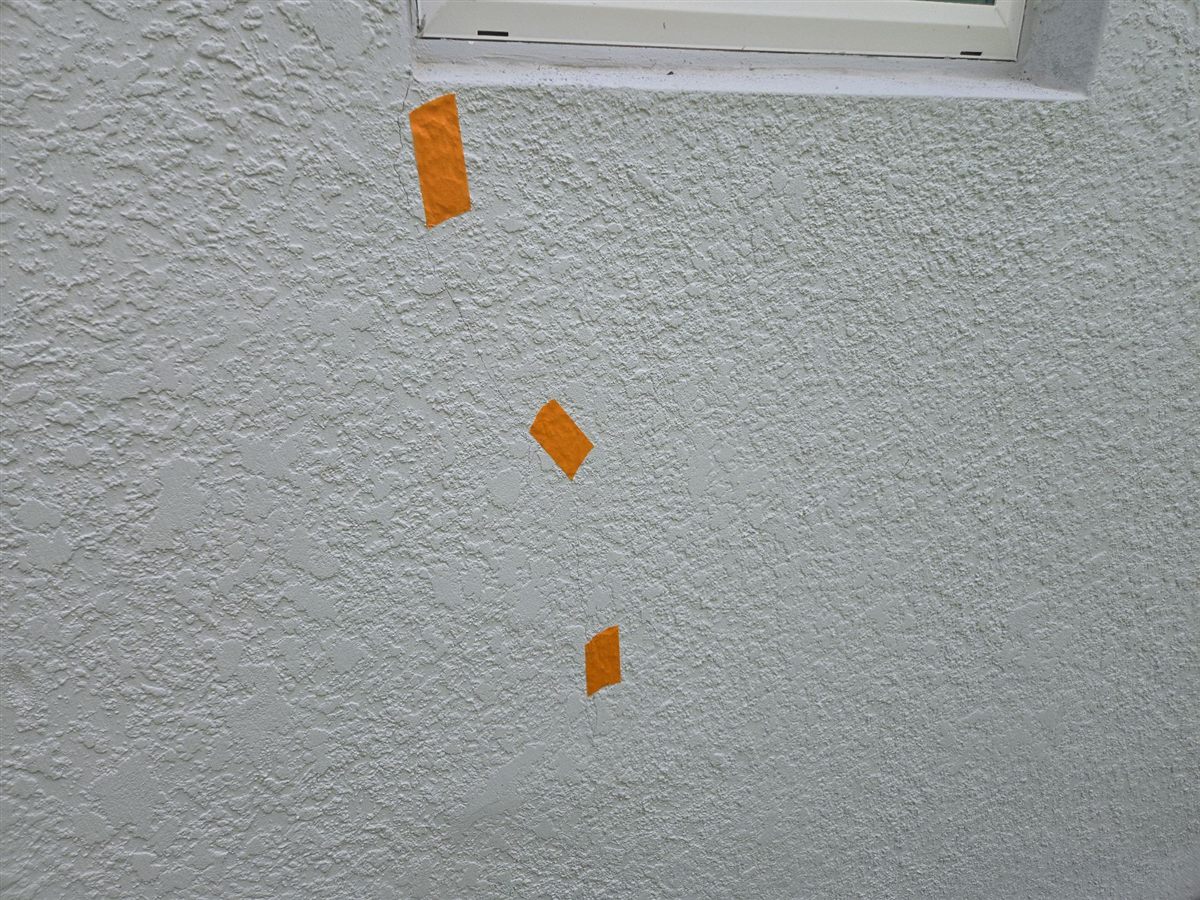
- Settlement cracking at the slab, block, stucco and interior surfaces
- Drywall and trim separation at corners, ceilings, baseboards and casing
- Door and window operation after a year of movement
- Roof covering, flashing, boots and penetrations after a storm season
- Stucco, siding, sealants and control joints
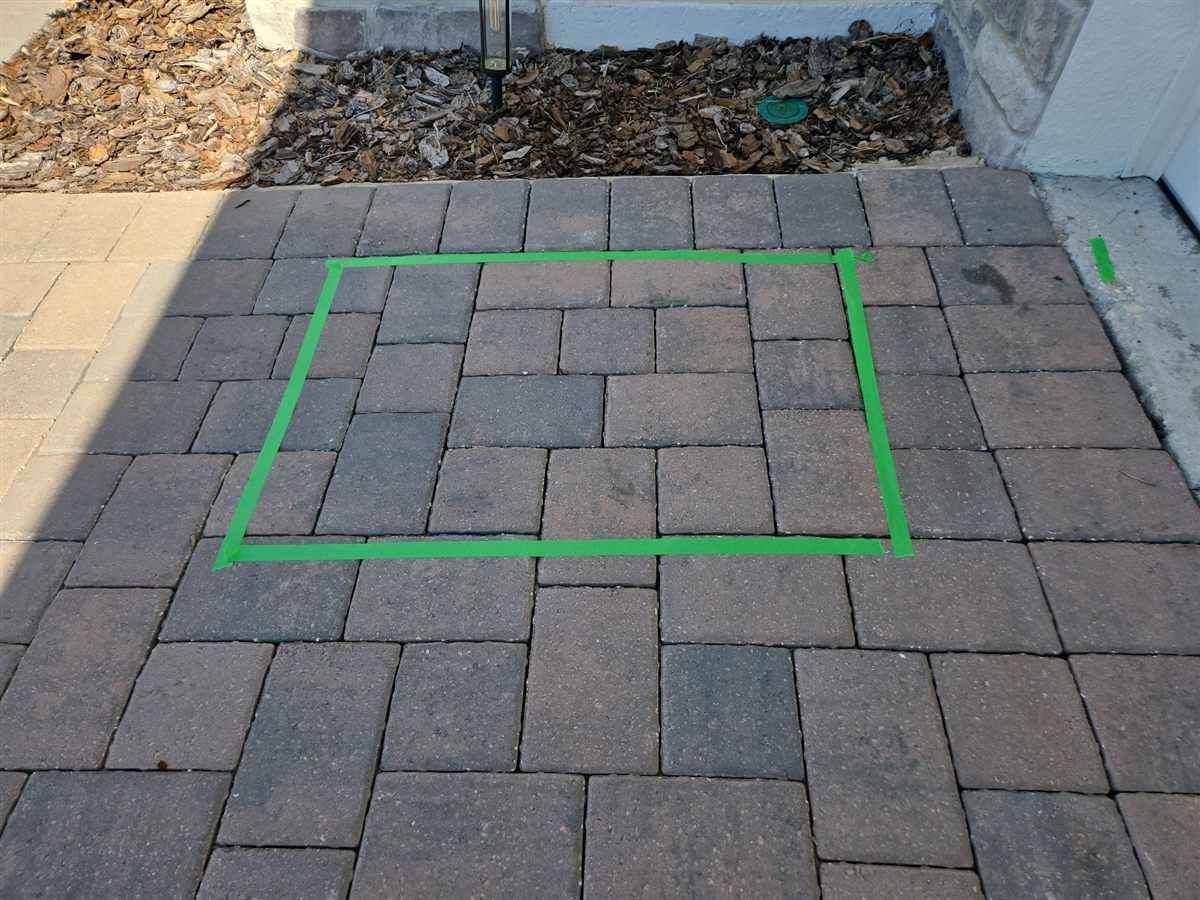
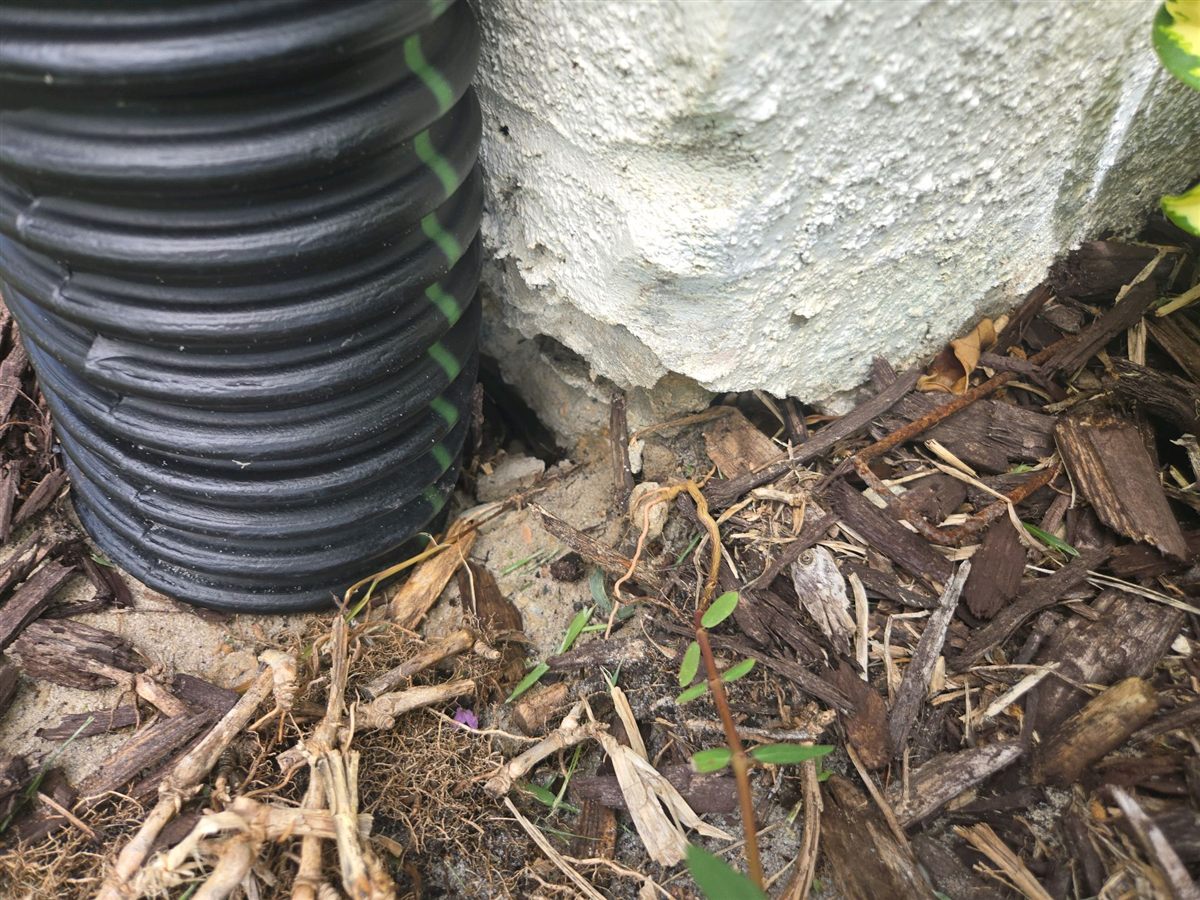
- Grading and drainage performance after a full wet season
- HVAC performance, condensate handling, duct connections and airflow
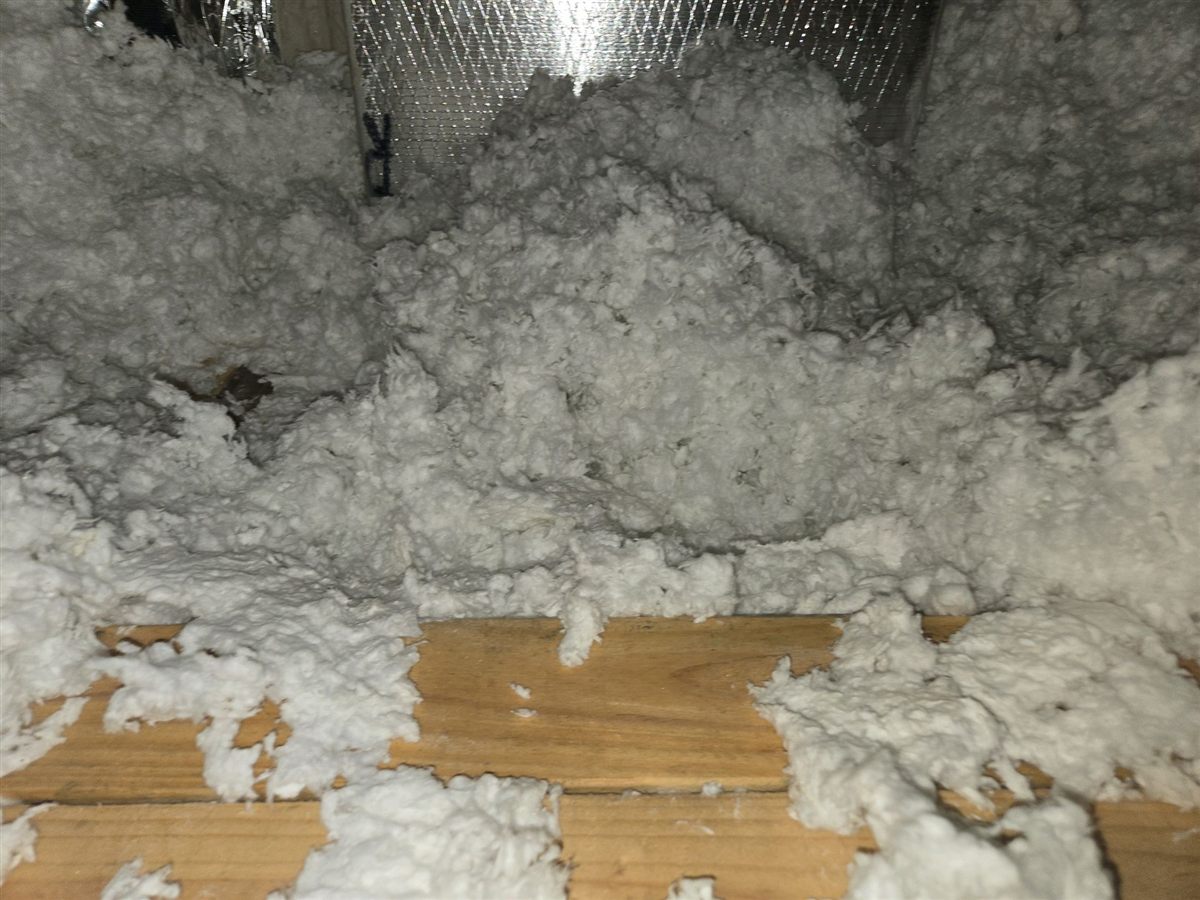
- Attic conditions, insulation displacement, ventilation and daylight at the deck
- Thermal imaging of ceilings and walls for insulation that has moved, air leakage and signs of moisture
- Plumbing leaks, supply and drain connections, fixtures and the water heater
- Items from the original punch list that were never completed
Thermal imaging, included
Thermal imaging is part of the standard 11-month inspection, not an add-on. After a year, an infrared camera is the quickest way to find insulation that was pushed aside by whoever worked in the attic after closing, air leakage around can lights and the attic hatch, and cooler patches on a ceiling or wall that can indicate moisture from a roof or plumbing leak that has not shown on the surface yet. Where the camera shows something, the thermal image goes in the report beside the photograph, which is exactly what a warranty department needs to see.
Sewer scope of the drain lines
The sewer scope is an optional add-on at this stage, not part of the standard inspection. When added, we run a camera through the drain lines to look for construction debris, damage or blockage, and the footage goes in your report. After a year of use, a line that was left with debris in it or was damaged during construction has had time to show it, and finding that while the builder's warranty is still open is worth far more than finding it after.
When it happens
Month eleven of your first year, measured from your closing date. If your closing was in March, aim for February of the following year. Booking a few weeks ahead of that is better than a few days, because you want the report in hand with room to submit the list, not on the last business day of the coverage period. Look up your closing date, count to eleven, and put it on the calendar. The inspection typically takes 3 to 5 hours, depending on the size of the house.
What you receive
A PDF report within 24 hours, with a photograph and a location for every item and a plain-language note on why it matters. It is written so you can forward it to your builder without editing anything, which is exactly what most warranty departments want: one organized submission rather than a string of separate requests. We follow up with a call to walk through what is significant, what is normal first-year settling, and what is worth raising. You have a direct line to the inspector while the items are being worked through.
Because even a new home deserves a second set of eyes.