Article Your county inspection and your private inspection are different things.
It is one of the most reasonable questions a new-home buyer can ask: "Did the county not already inspect my house?" Yes, your new home goes through required building inspections during construction, and those inspections matter. But the building department inspection and the private inspection you hire for your home are not duplicates of the same service. They have different responsibilities, different scopes and different purposes. Understanding that difference explains why a home can pass its required inspections and still have conditions identified during an independent new-construction inspection.
What the building department is there to do
Florida's building inspection system is part of the permitting and code-enforcement process. Building officials and inspectors are responsible for determining compliance with applicable building, plumbing, mechanical, electrical and other construction codes within the scope of the required inspections.
In other words, the building department has a regulatory responsibility. Its inspectors are working within a system designed to determine whether permitted construction complies with the applicable codes and approved construction documents. That is an important job. And a private home inspection does not replace it.
Your private inspector has a different assignment
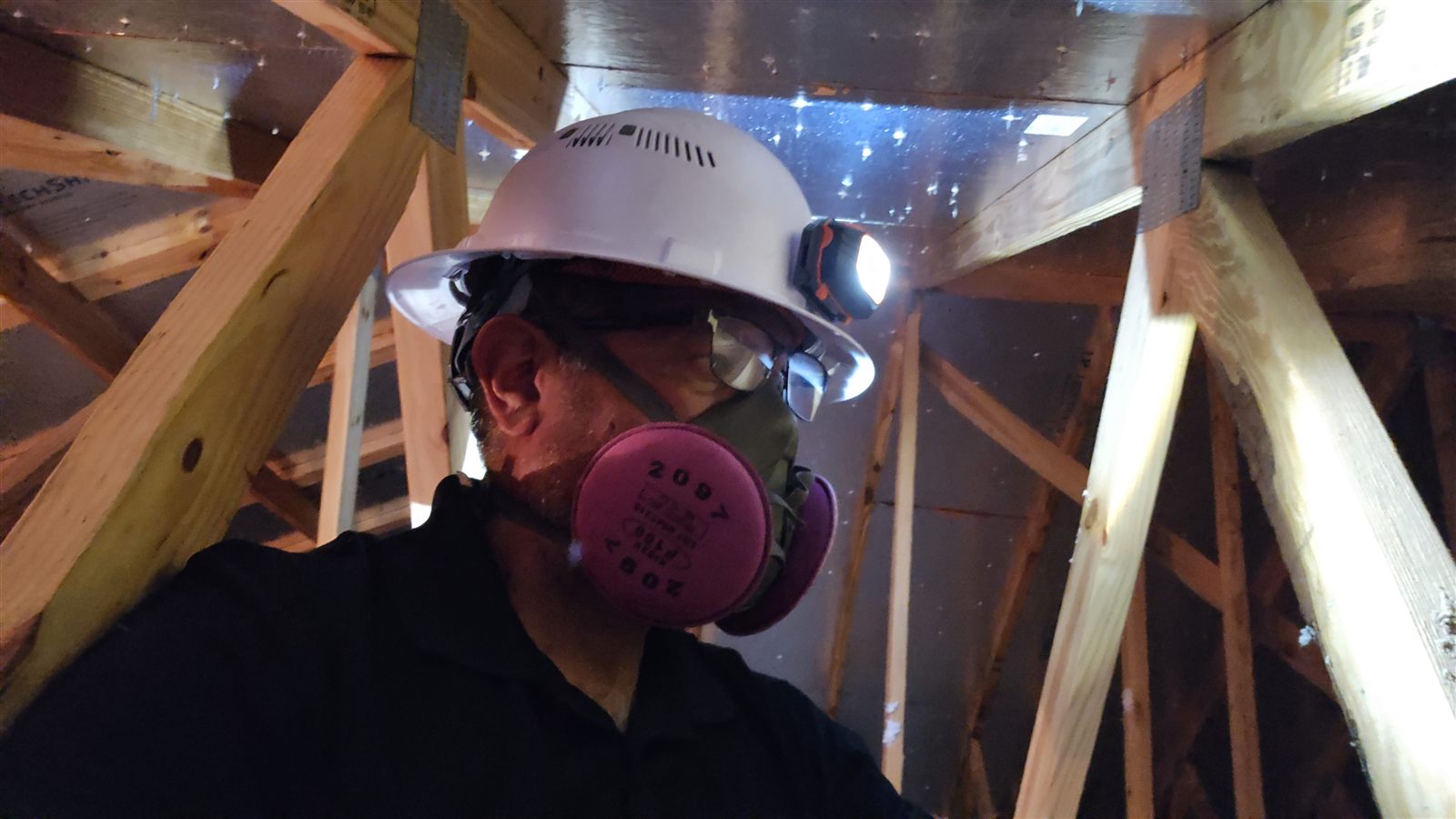
When you hire Home IQ, we are not performing the county's inspection again. We are inspecting the home for you. Our role is to evaluate visible and accessible conditions present at the home during that particular stage of construction and document what we observe. That may include conditions involving installation, damage, incomplete work, operation, accessibility, safety or other visible concerns within the scope of the inspection. The resulting report is prepared for the client.
That difference in purpose is important. The building inspector is performing a regulatory inspection. Your home inspector is performing an independent inspection on behalf of the person buying the home.
Passing an inspection does not mean every component was individually examined
A passed building inspection is meaningful. But it should not be interpreted as a statement that every component, connection, fastener, fixture, finish, opening, system and installation throughout the home was individually examined and found free of deficiencies. Building inspections occur at required phases of construction and within an established regulatory scope. Florida law specifically describes building-code inspection services as inspections of construction phases for which permitting is required to determine compliance with applicable codes.
Your private inspection approaches the home from another perspective. We have one house in front of us. Your house. Our job is to observe and document the visible conditions present during the inspection.
Think of them as two different layers
The easiest way to understand the relationship is not to think of one inspection as better than the other. Think of them as two different layers of the construction process. The building department provides the required regulatory inspection. Your private inspector provides an additional layer of observation and documentation for you. Those roles can complement one another without being interchangeable.
A private home inspector does not issue permits, approve construction for the jurisdiction, replace required municipal inspections, or determine whether the builder can proceed with construction. Likewise, the building department inspector is not performing a private home inspection for the buyer.
Why can Home IQ find something after an inspection has passed?
Because the two inspections are not asking exactly the same question. A building inspector is evaluating construction within the requirements and scope of the applicable regulatory inspection. Home IQ is documenting visible conditions in the home for our client. That can include:
- Something that is incomplete
- Something damaged after an earlier inspection
- Something installed improperly
- Something that does not operate as intended
- A visible condition that deserves the builder's attention even when it is not the reason a particular building-department inspection would fail
Construction also continues after inspections occur. Multiple trades work in the same areas. Components can be moved, damaged, altered, covered, completed or changed as the home progresses.
A passed inspection is therefore an important construction milestone. It is not the end of observation.
See it. The deficiency library is a stage-by-stage catalog of what we document on homes that have already passed their required inspections: torn vapor barriers, unfastened straps, missed flashing, disconnected ducts.
The timing is different too
New construction does not receive one single government inspection at the end. Required inspections occur at different stages as construction progresses. Certain work must be inspected before it becomes concealed, and later inspections address subsequent phases of the project.
A private phase-inspection schedule can follow some of those same major construction milestones while serving a different purpose. At Home IQ, that may include:
- Pre-slab. Before concrete conceals foundation preparation and in-slab components.
- Pre-drywall. While framing, structural connections and rough building systems remain visible.
- Pre-closing. When the home is substantially complete and its systems and finished components can be evaluated.
- 11-month warranty. After the homeowner has lived in the home and before the typical first-year builder warranty period expires.
Each inspection provides a different view of the same home.
Where it fits. Pre-slab is scheduled in the 2 to 3 days before the pour and pre-drywall after rough-in passes, each just before the next crew covers the work. The inspection timeline shows the four windows side by side.
We do not compete with the building inspector
This distinction matters to us. The building inspector is not the adversary. Neither is the builder. Everyone involved has a different responsibility in the construction process. The builder builds the home. The trades perform their respective work. The building department performs required regulatory inspections. Home IQ provides an additional set of eyes for the homeowner.
When we identify a condition, our purpose is not to determine who should have found it first. Our purpose is to document what is visible now so our client can bring the condition to the builder's attention.
Code is important. Your home is personal.
Building codes establish requirements for construction. But when you are buying a home, you are not buying a code book. You are buying the place where you will live.
You want to know whether the doors operate properly. Whether components are damaged. Whether installations appear complete. Whether water drains where it should. Whether accessible systems operate as intended. Whether visible construction conditions deserve attention before you close or before your warranty period ends.
Those questions overlap with building standards in some areas. In others, they extend beyond the purpose of a required building inspection. That is why the two inspections can coexist.
One does not replace the other
Your builder still needs the required building inspections. Your private inspection does not replace them. And a passed building inspection does not make an independent inspection unnecessary. They are different inspections performed for different reasons.
The county, city or local building department is there to fulfill its regulatory responsibility. Home IQ is there to inspect the home for you.
Because even a new home deserves a second set of eyes.
Under contract on a new build?
Tell us where the house is in the sequence. We will fit the private inspections around the required ones, and coordinate access directly with your construction manager.